
 Sludge and heating
Sludge and corrosion in a 23-year-old circuit: two chillers recovered without chemicals
Corrosion and sludge had put two chillers out of service on a 23-year-old closed circuit. In July, one of our distributors installed a DS-i Anti-sludge; on 21 October a water sample was taken. We go through the case, why sludge stops a chiller and what to watch for in any chilled-water circuit.
In a closed circuit the water is never renewed, so what spoils it is not limescale but corrosion: iron oxide and sludge that travel with the water to the most delicate piece of equipment on the circuit. In an air-conditioning installation, that piece of equipment is the chiller.
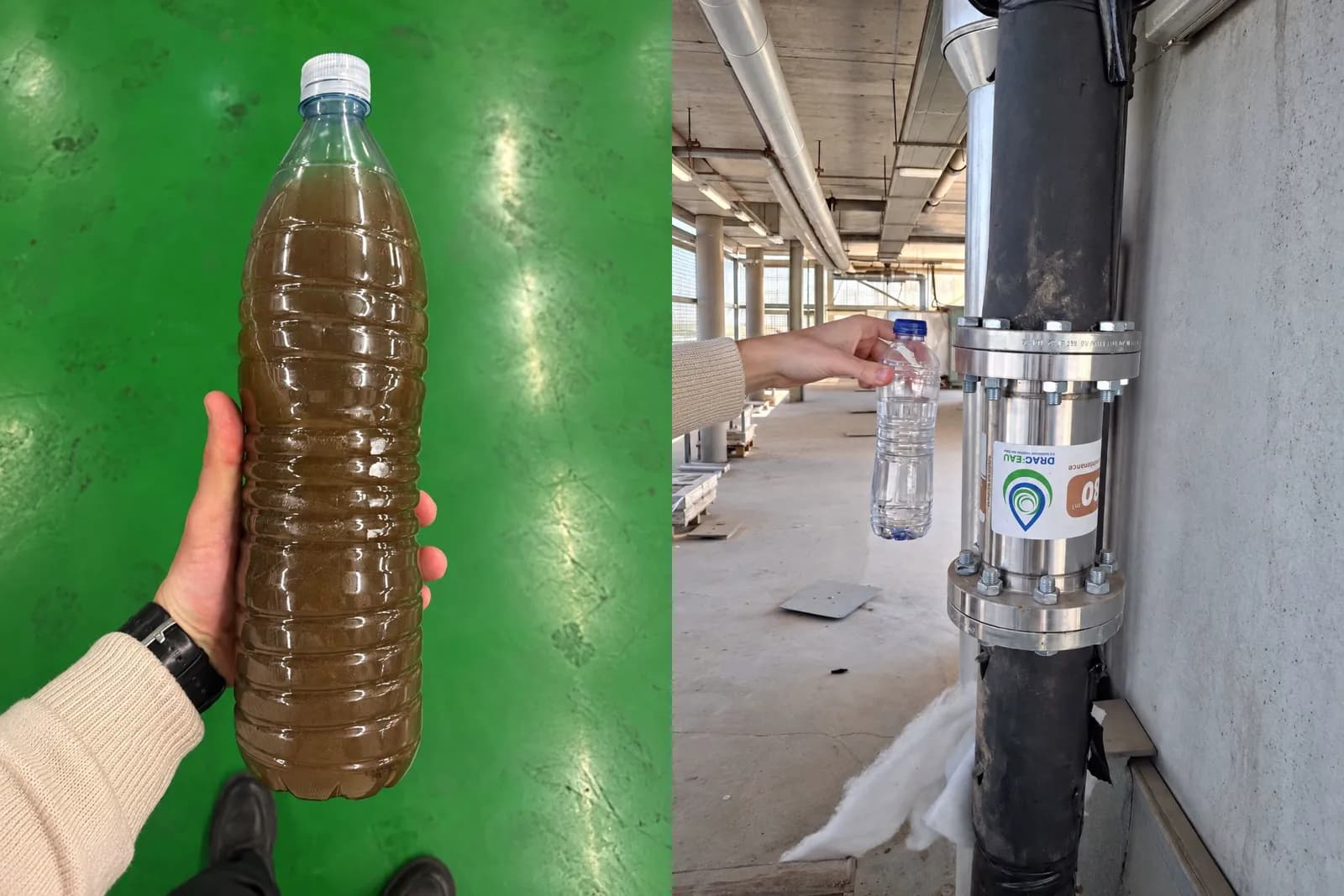
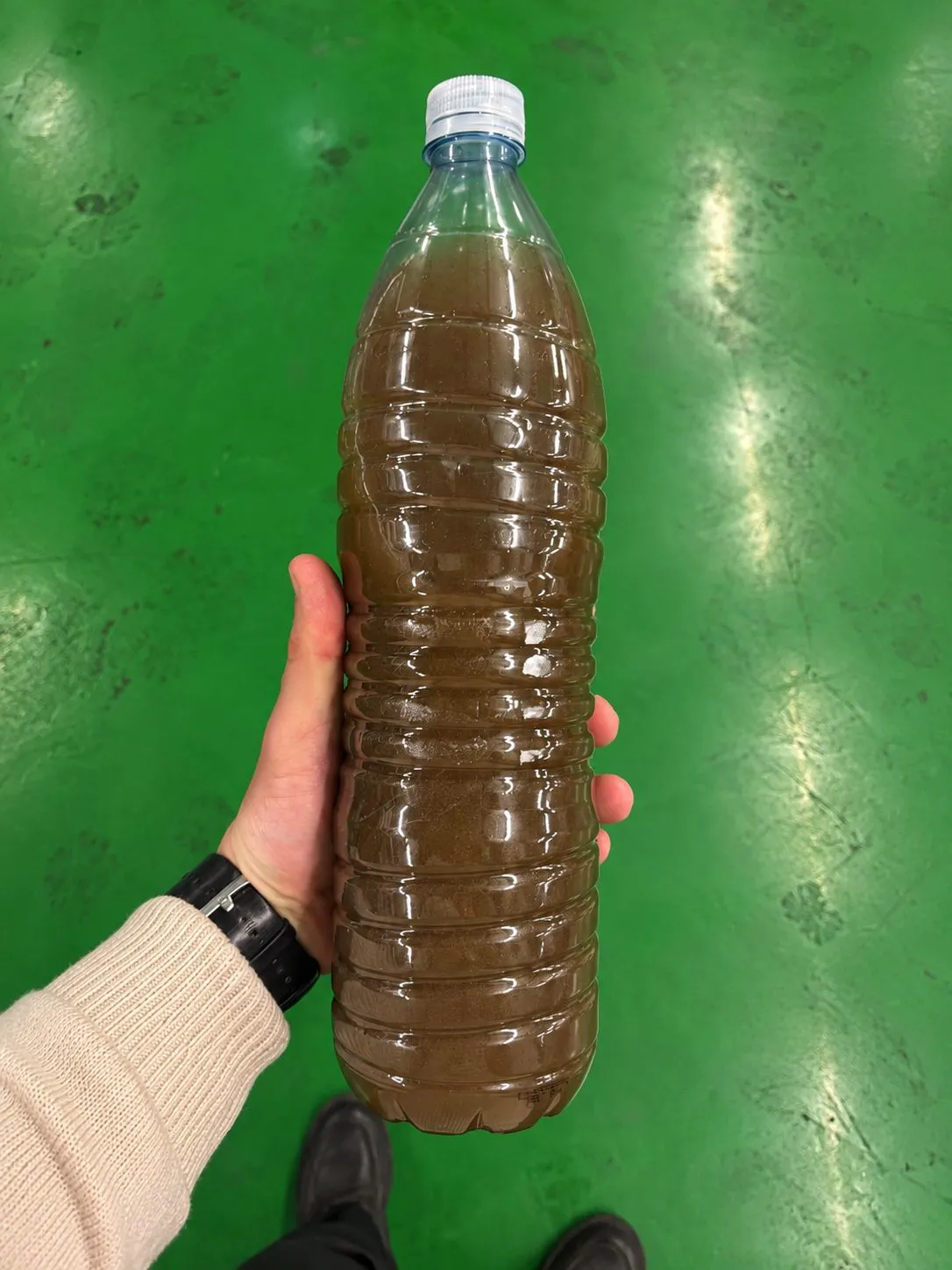
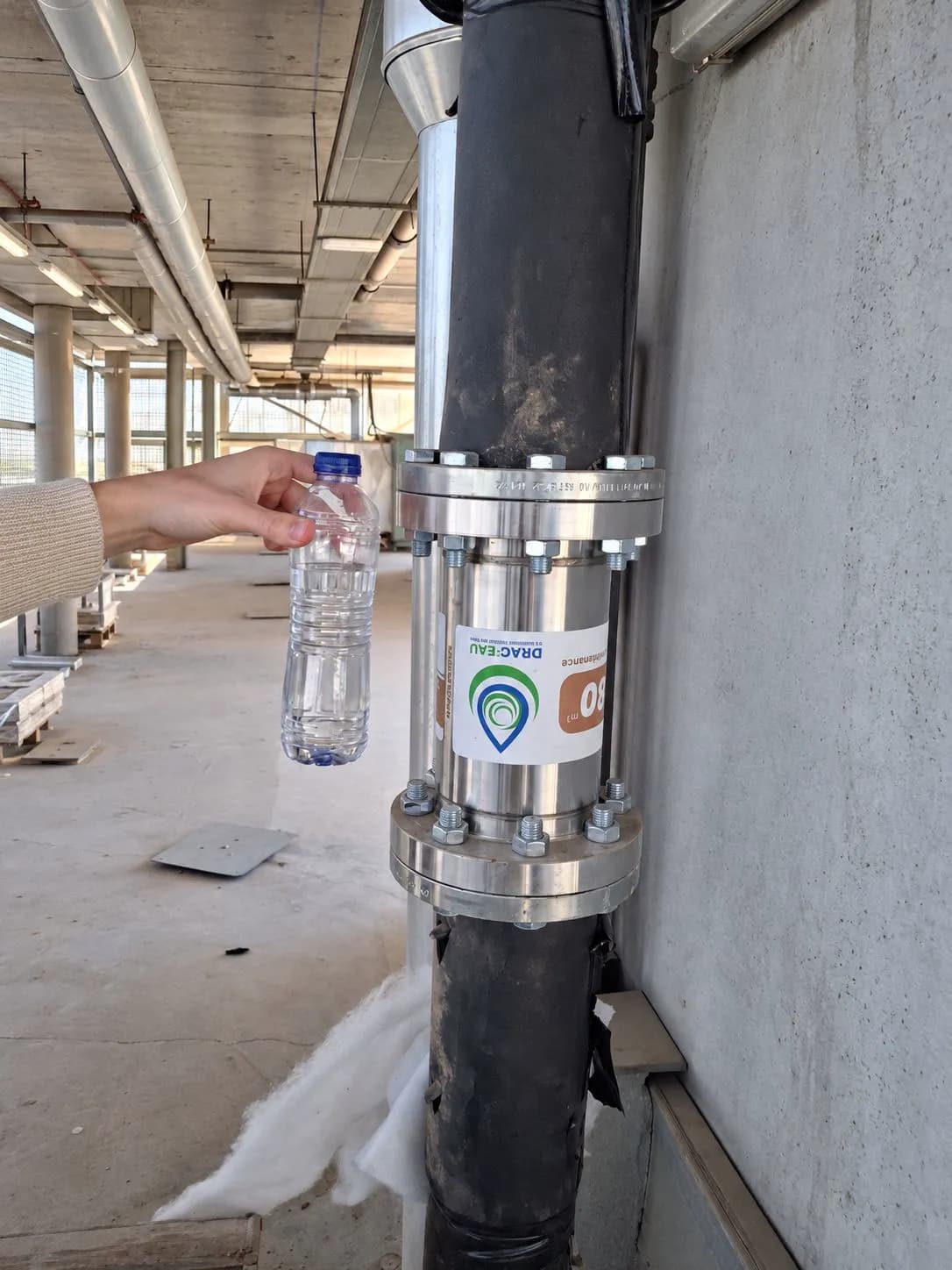
This case comes from one of our distributors: a closed-circuit air-conditioning installation, 23 years old, in which corrosion and sludge had put two chillers out of action. Since July a DRAG'EAU anti-sludge unit has been fitted on the circuit, and on 21 October a water sample was taken. The cover photo sums it up better than any paragraph: on the left, the circuit water before; on the right, the water after, next to the unit.
23 yearsage of the closed circuit
2chillers out of service due to sludge and corrosion
Jul → 21 Octfrom installation to water sample
Why sludge puts a chiller out of service
A chiller produces cold water that circulates in a closed circuit to the building's fan coils and air handling units, then returns warmer to be cooled again. The heart of the unit is the evaporator, a plate or shell-and-tube heat exchanger through which that water flows. Its passages are narrow, which makes it very sensitive to anything the water carries.
- Sludge reduces flow. Particles settle in strainers, valves and the evaporator channels. With less flow, the flow switch trips and the chiller shuts down to protect itself.
- Deposits insulate. A layer of oxide on the heat exchanger plates transfers cooling less well: the compressor works harder for the same result and energy use goes up.
- Freezing risk. With low flow, the water in the evaporator gets too cold and the frost protection trips. If it does not trip in time, ice can damage the heat exchanger.
- Cascading shutdowns. Alarms, resets, compressor short cycling and, in the end, a unit that will no longer start. That is what had happened here with two chillers.
The rest of the circuit suffers the same, only more quietly: pumps working against more resistance, valves seizing up and fan coils at the end of each branch delivering less cooling.
Where so much sludge comes from in a closed circuit
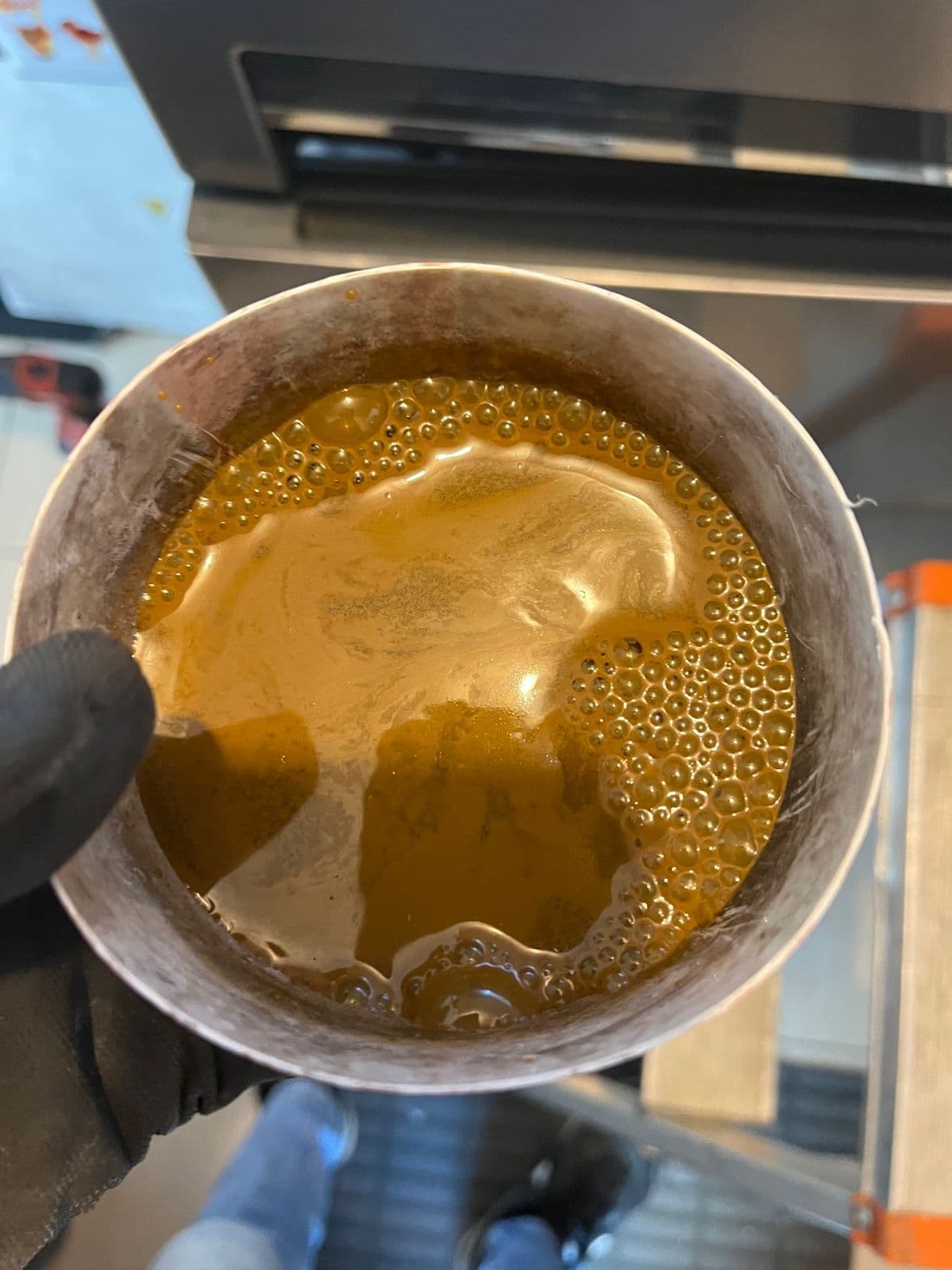
A perfectly sealed circuit corrodes a little at first and then stabilises. A circuit that is 23 years old almost never is: top-ups that bring in oxygen, air vents that let air in, steel sections that have been in contact with water for decades and mixed metals that encourage galvanic corrosion. The result is water loaded with iron oxides, with the reddish-brown colour of the bottle on the left. We explain it in detail in sludge in closed circuits.
What was installed and how it works
In July, the distributor fitted a flanged DS-i Anti-sludge into the circuit. Nothing was added to the water. The unit runs on the circuit's own hydraulic energy: its internal geometry spins the fluid into a vortex, a Venturi restriction accelerates it, and that acceleration generates low-frequency sonicophysical waves.
On oxide and sludge particles, the effect is to keep them in a non-adherent state: they stop sticking to the walls, the evaporator plates and the valves, stay in suspension and are removed when the circuit is purged. The deposit that was already stuck comes away gradually, as fine particles, with no flakes that could block a component downstream.
The result: the 21 October sample
About three months after installation, the circuit water runs clear and the distributor considers the problem solved, with no chemicals and no extra maintenance from here on. That timescale is consistent with what we see on badly degraded circuits: the effect shows within weeks, and cleaning up a circuit with years of accumulated corrosion takes several months.
We also posted it on LinkedIn and Instagram. The idea that rounds it off has been ours from the start: we do physically what has always been done chemically.
Chemical or physical: what changes in an air-conditioning circuit
| Chemical treatment | DS-i Anti-sludge | |
|---|---|---|
| How it works | Inhibitor dosed into the water | Vortex, Venturi and sonicophysical waves |
| Sludge already deposited | Needs a separate chemical flush | Comes away gradually |
| Consumables | Product, testing and redosing | None |
| After draining or topping up | Has to be redosed | Keeps working the same way |
| Energy | Dosing pump, if fitted | No external supply |
| Maintenance | Regular concentration checks | Routine circuit purges |
The two are not incompatible. On a circuit that already has chemical treatment, the usual approach is to fit the unit, keep the product through a transition period while the circuit cleans up, then reduce the dose until it is dropped. The comparison with the other unit commonly found on these circuits is in magnetic filter or permanent treatment.
Five signs that the water in your chilled-water circuit is dirty
- The chiller raises flow alarms or frost-protection alarms with no obvious mechanical cause.
- Y-strainers clog every so often and come out full of dark or reddish sludge.
- Water drawn off at the drain is cloudy, brown or black.
- The circuit needs frequent top-ups: every fill brings in oxygen and feeds corrosion.
- Fan coils at the end of the branches cool less than the first ones.
The simplest test is the one used here: fill a bottle at the lowest point of the circuit and hold it up to the light.
Frequently asked questions about chiller sludge
Can a chiller that has stopped because of sludge be recovered?
If the unit stopped because of low flow or a fouled heat exchanger, and has not suffered mechanical damage, yes: restoring flow and cleaning the circuit is what gets it running again. If the evaporator has frozen and cracked, it has to be repaired first.
Does it work on circuits with glycol water?
Yes. The unit acts on the particles, not on the composition of the fluid, so it is compatible with glycol water and with existing chemical treatment.
Does the air conditioning have to be shut down to install it?
Only for as long as it takes to fit the unit into the pipework, which is done with the section isolated or the circuit partially drained. It is a short job, scheduled outside hours of use.
How long does the circuit take to clean up?
On a circuit in reasonable condition, a few weeks. On a badly degraded one, like this 23-year-old circuit, several months: here the clean water sample came about three months after installation.
What maintenance does the unit need?
None: it has no moving parts and uses no electricity or consumables. A purge is recommended after installation, plus a few more during the first months if the circuit was heavily loaded, to remove the sludge that comes away.
About this article
Written by the DRAG'EAU Ibérica technical team, drawing on the product range's technical data sheets, product certificates and hands-on installation experience across Spain, Portugal and Andorra. Ranges and estimates are identified as such in the text.
More from the blog
Keep reading
Sludge and heating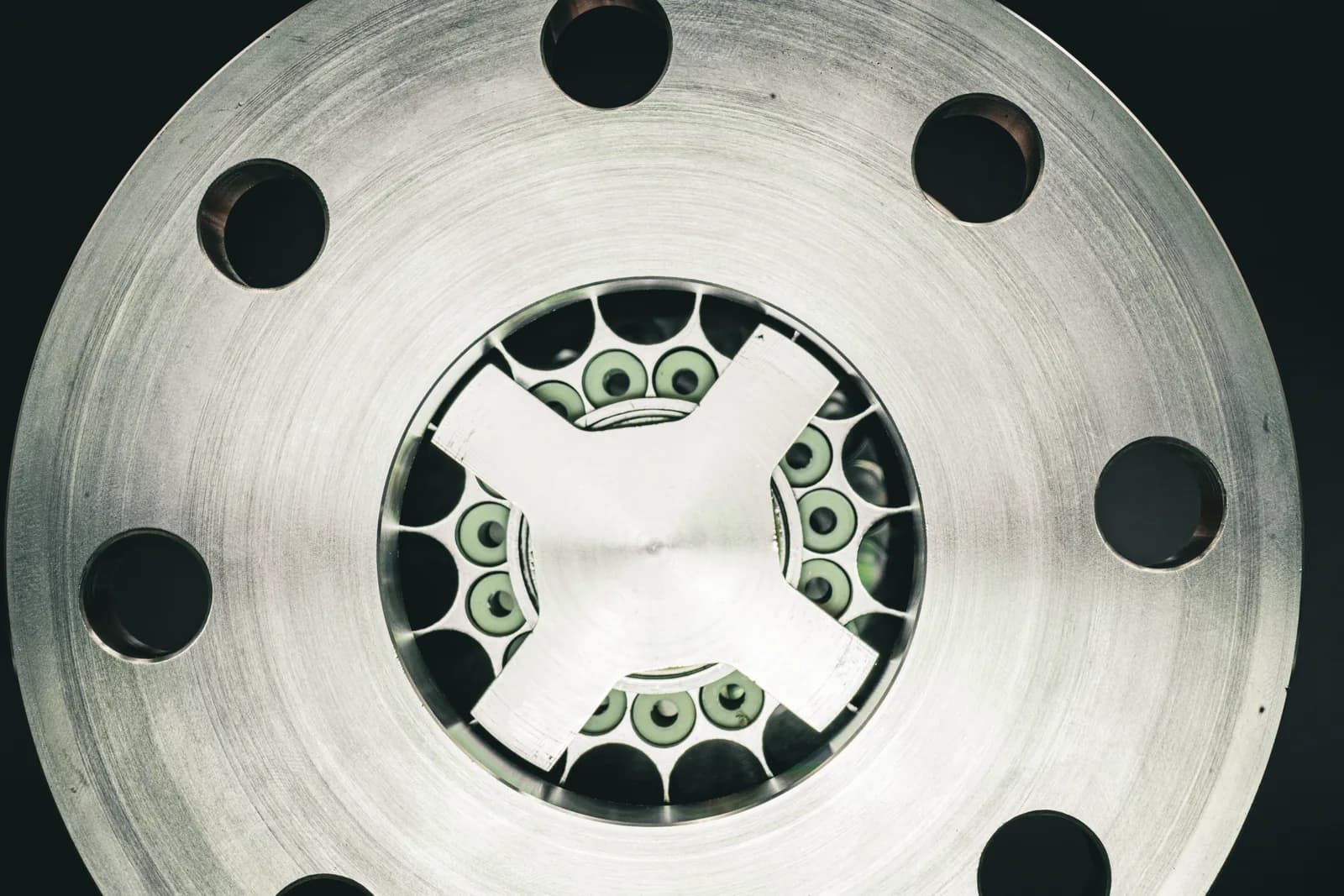 Sludge and heating
Magnetic filter or permanent treatment: what each one actually does
They do not even go in the same place, and both promise a clean circuit, but they do not solve the same thing. One captures particles; the other acts on their ability to adhere. We compare scope, maintenance, effect on existing deposit and the cases where fitting both makes sense.10 min read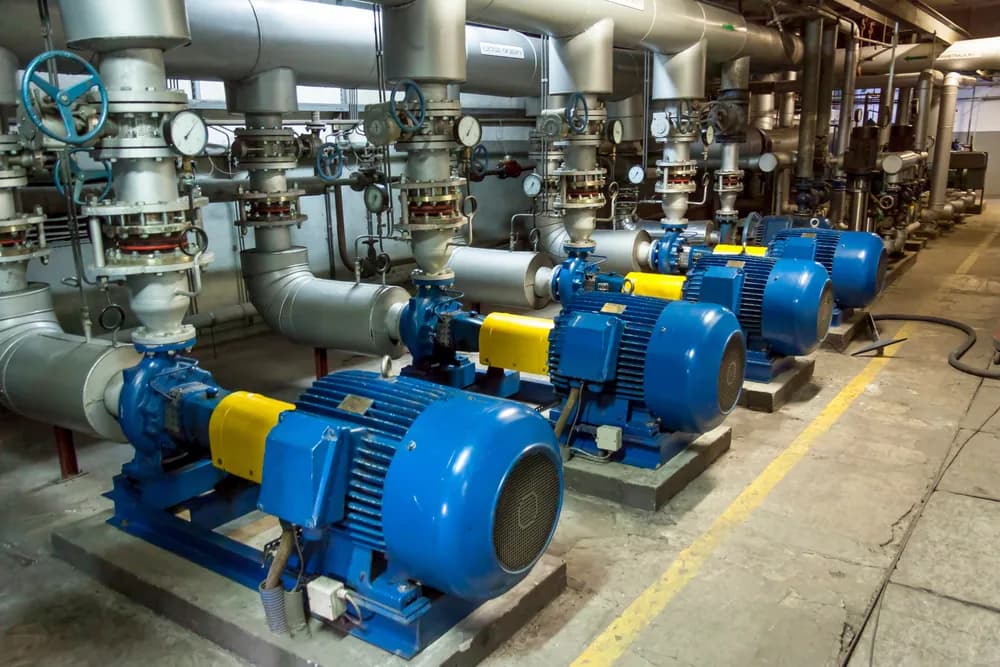 Devices and comparisons
Open and closed water circuits: the difference that changes water treatment
The difference is not whether the pipework forms a ring, but how the water interacts with its surroundings. This guide separates common site usage from ASHRAE’s hydraulic definition, resolves the cases that cause most confusion and helps prevent an open-water solution being applied to a closed circuit, or vice versa.13 min readNewsletter
We'll tell you about every new article
We publish technical guides on water treatment, with no fixed schedule and no filler. Leave your email and we'll let you know when the next one is out.